Outdoor products fail in ways a desk accessory never does. Sun, salt and a parked camper in summer will find the weakness in a print, and the buyer usually has something more valuable riding on it. So the first question in this niche is whether the part will survive, and only then whether it will sell. The products that clear that bar tend to be small, specific and hard to buy anywhere else.
Who buys
- Owners of older RVs and campers who have run out of options. Chinook owners call one Hehr window clip impossible to find, and an Airstream owner reports a discontinued shower door latch part.
- Kayak anglers who modify every boat and carry costly electronics.
- Disc golf clubs and tournament organisers who order in batches for an event.
- People with a broken part and no replacement, who will pay for modelling as well as printing.
The four best bets
Kayak fishing mounts
Kayak fishing mounts have the most room on price. An Etsy seller offers ABS transducer mounts at $26.99, while a YakAttack mount sits near $50. Exact fits for one kayak model and no-drill designs are the openings, and sales will dip in winter. A failure here can put a $500 fish finder overboard, so a weak mount is worse than no mount.
Discontinued RV parts
RV discontinued clips and latches sell on need rather than looks, and a searchable part number can bring buyers straight to a listing. The catch is the order size. These parts sit at $5 to $12, and one guide puts packaging and shipping at $5.76 an order. A single clip struggles to carry that, so sell sets for one window or door, and combine this with the wider RV and camper clips range. Brand forums such as Jayco owners and Forest River owners show where those buyers talk, though many of them print their own or know someone who does.
Disc golf minis
Disc golf mini markers lose as plain discs against commercial minis at about $3, and work as club or event orders. Little Print Farm sells a laser-engraved printed mini at CAD 11.99, and Upper Park lists one at $5. The estimated margin on one mini is small, so the case for this product is a batch order that prints in one run.
Broken part CAD service
A broken part CAD and print service sells skill rather than filament, and each finished file can become a catalogue item. Sellers already offer this on Fiverr, and GoodPrints3D has published a guide to what buyers should send. Charge for a fit sample first, because fit may take several rounds and hours can overrun.
Prices and profit
Profit per print hour is estimated for a typical specific product in each niche, at its midpoint price and print time, after estimated costs and selling fees. Treat it as a comparison, not a forecast.
The CAD service works out at $32.37 per print hour on paper, and that figure should be ignored. It assumes a small job such as an appliance knob, one vendor's scan-based workflow charges far more for bigger ones, and most of the time goes into modelling rather than printing.
Fishing lures need a caution too. The $6 to $15 range is a vendor guide's figure for commercial crankbaits, no direct printed sellers were confirmed, and every design needs water testing before it can sell. Camp lantern shades are a cheap test at most: a silicone shade sells from about GBP 27.54, but no printed sales turned up.
Three to leave alone
- Climbing holds: a Mountain Project tester found printed PETG crimps averaged higher than PU in a small informal test, with five samples per batch. That says nothing about long-term durability, strength depends heavily on print orientation, and a hold that snaps can seriously hurt someone.
- Printed splints and orthoses: these can be regulated medical devices, and a bad fit can injure the wearer. ActivArmor works through partner clinics rather than selling directly to consumers, which shows what the serious route looks like.
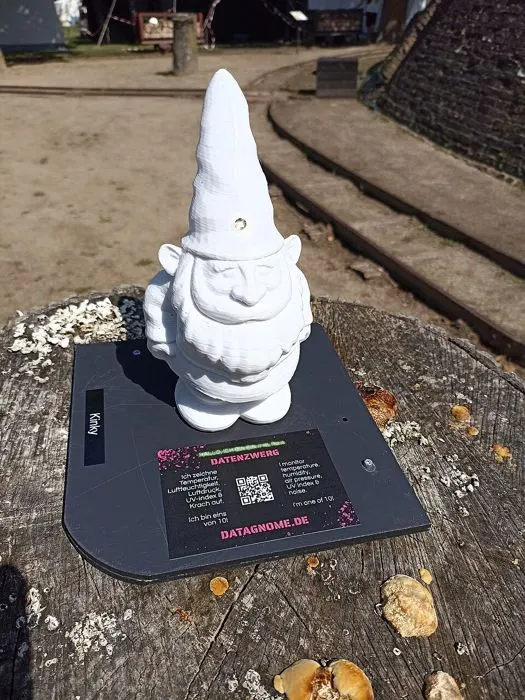
- Outdoor garden gnomes: resin imports are cheap, weatherproof material is needed, and large statues take 8 to 40 hours.
Building an original
- RV parts: work from a measured original, including the failure point, and strengthen that spot. Forum members with the same model may lend or photograph one.
- Kayak mounts: design around one hull and one track or transducer, with a no-drill fit as the headline feature.
- Minis: a mini is simple to model, so there is no reason to use someone else's file. Mitten Minis describes sizing its flexible minis to PDGA specs, so check those specs for your own.
- Lures: use your own profile rather than a named lure's shape, then tune it in water.
Original work also matters for sales channels. Etsy requires printed items to be based on a seller's original design, and shared RV files still need a licence check elsewhere.
Rules and risks
- Material: PLA does not suit a hot camper or outdoor use. The product notes point to ASA or PETG for RV parts and UV-stable ASA for kayaks. Only state a heat rating if you have evidence for it.
- Safety-critical work: refuse brake, fuel and similar parts in writing before you take on a CAD job, and keep the refusal in your terms.
- Brands: Dometic, Jayco, Garmin and YakAttack belong in "fits" wording only, and disc maker logos need permission.
- Design rights: functional replacements are usually lower risk, but avoid maker logos and check for live design patents. In the EU, a law firm note describes a repair exception that depends on making the part's origin clear.
- Files you create: state in your terms who keeps the CAD file after a service job.
Estimates are ours unless a source is linked. This guide was drafted with AI and reviewed before publishing.
Compare prices, profit and competition across every product we score.
See product scores