The strongest products in this library have one thing in common. The buyer is paying for fit, a personal detail or a solved problem, not for plastic. Generic novelties can look busy on a marketplace, but they sit in the range where large farms win on price.
This guide lists the picks that look best on the numbers, explains why, and shows where each one can go wrong. Nothing here is a promise of sales. Demand for these products is estimated from public listings and articles, and your own results depend on your design, your shop and your costs.
How to read the numbers
A printer runs one job at a time, so profit per print hour is the fairest way to compare a 30 minute part with a 10 hour part. Each figure below is for a typical specific product in each niche, the middle one by hourly profit, at its midpoint price and print time, with US Etsy-style fees of 9.5% plus $0.45, filament at $20 per kg, 11 minutes of labour at $15 an hour and $0.80 of packaging. Shipping is not included, so check that separately with the profit calculator.
An hourly figure can flatter a product when its price has not been seen on a real listing. Card reader and POS stands show the problem: the $4.21 per print hour comes from a stand with a QR panel at $30 to $50, which is an idea to test rather than a listing. The whole niche also scores only 54. That is why it is not in the table.
Top picks

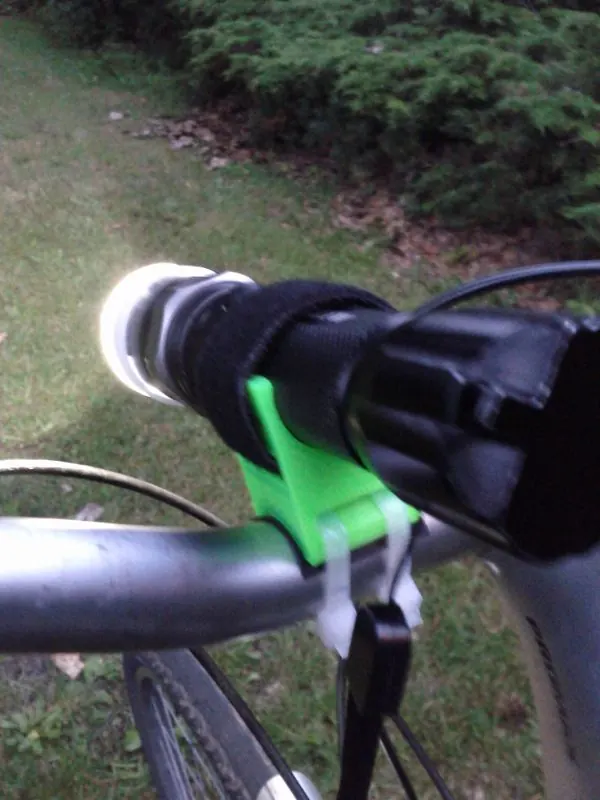








The classic car figure is for a vent bezel at $25 to $55, an idea to test rather than a confirmed sale, so treat it as a lead, not a benchmark.
Why these stand out
Parts that fit one piece of kit
Most of the top rows are accessories for gear the buyer already spent real money on. Sim racing rig owners pay high prices for simple mounts. Film scanning brands charge $79 to $273 per system, which leaves room below them, especially for rare formats such as 110 and 127. Meshtastic cases fetch $20 to $45 for a small part, and weatherproof outdoor boxes looked scarce.
The risk here is fit and change. A telescope mask that scratches optics, a film carrier that bows or a dash mount that warps in summer heat will cost you more than the sale. New hardware also makes old stock useless. Use brand names only to state compatibility, as in "fits", and do not add electronics to a sim racing box unless you want the support and warranty work that comes with them.
Parts people cannot buy
Classic car clips and discontinued RV parts sell against scarcity, so price matters less and competition is thin. Keep to small, non-structural pieces. A related route is the broken part CAD and print service, where you sell skilled modelling time. Its $500 to $1,500 range comes from one vendor's workflow and small jobs will pay far less, so the per-hour figure is not comparable and is left out of the table. Refuse brake, fuel and other safety-critical parts in writing.
Things only this buyer would want
Personalisation is hard for a farm to flood. A topographic map leaves about $38.67 per sale, and because you generate each one, it avoids most file licence problems. Its lower hourly figure is the cost of long prints, not a weak product. Lithophane night lights work the same way, at $8 to $40 and $2.64 per print hour, as long as you check photos before printing and get the buyer's confirmation of photo rights.
Ornaments are the seasonal version. The sales window runs from October to mid December, so it is open now. Laser-cut wood at $2 to $4 undercuts plain names, which is why family sets and multicolour depth are the better angle.
Designs with a feel
Fidget sliders are a rare toy-like product that holds up, because metal versions at about $30 to $74 show that buyers pay for feel and finish. A generic copy near $6.99 does not share that margin. For a sense of what a brand can do in this category, CNBC reviewed documents showing one father and daughter business made about $94,000 net on about $428,000 gross in 2025, with around 30 printers and themed drops on its own website. That is one business and not a typical result.
The wider pattern
Three sources point the same way. VoxelMatters reports on a Shenzhen workshop said to run about 5,000 printers on holiday decorations, though the operator's identity is disputed and the counts rest on estimates. A separate VoxelMatters piece notes that many new printer owners print from libraries or AI tools rather than CAD, which suggests offering what they cannot easily make: finished, assembled or personalised products. And a farm operator quoted by 3DPrint.com estimated that a winning product can be copied and undercut within days. That is his view, not audited data, but it explains why fit and service age better than a clever shape.
Also consider how a product packs. A 3DPrint.com teaching piece on additive economics favours small, high-value objects, because a failed plate of large parts costs far more.
How to choose one
- Pick a niche you can test yourself. You need the car, the scope or the drill to prove the fit.
- Design it yourself where possible. Etsy's rules make this close to essential there, and it removes licence questions elsewhere.
- Confirm the low end of the price range, not the midpoint, before you commit.
- Add your real shipping cost. Cheap items can lose their whole profit to postage.
- List a small range, and expand only what sells.
Open any product page for its evidence and risks, then run your own numbers. The best pick is usually the row where you already know the buyer.
Estimates are ours unless a source is linked. This guide was drafted with AI and reviewed before publishing.
Compare prices, profit and competition across every product we score.
See product scores