Home decor is the niche where buyers care least that an object was printed. They want to know whether it looks right on a shelf. That helps small sellers, because a good shape and a considered colour can carry the price. It also means a weak photo or a leaking vase has nothing to hide behind.
Printer maker Elegoo says its review of more than 800 Etsy printed objects puts flower vases first, wall decor sixth and table lights seventh. It is a vendor claim with no sales figures, so read it as direction rather than proof.
Who buys printed decor
Three kinds of buyer show up in the evidence, and each wants something different.
- Gift buyers shop around Mother's Day, Christmas and housewarmings. They want something that looks finished in the box.
- Room fixers have a specific gap, such as an entryway dish, a wall that needs a plant or a bare ceiling fitting.
- Design buyers pay for a brand. New York lamp maker Wooj sells mostly at $100 to $265 and reportedly ships about 15,000 lamps a year. The article credits the finished product and the story around it more than the printing.
That last example shows where the top of this market sits, and also who you would be up against with a generic lamp.
Size is the trap
Decor tickets rise with size, but print hours often rise faster. A big, impressive piece can tie up a printer for a day and earn less per hour than a small dish.




These are model estimates for a typical specific product in each niche, at its midpoint price and print time, after filament, machine time, Etsy-style fees, packaging and your own time at $15 an hour. Shipping is not included. Put your own numbers into the cost calculator, and keep in mind that PLA prices have reportedly swung sharply this year.
Five worth starting with
- Key trays have the shortest prints in this table, though wall planters earn a little more per hour. Etsy results ran from about $12 to $37. Aim for the top end with a texture of your own and a premium colour, because plain trays stay stuck at the bottom.
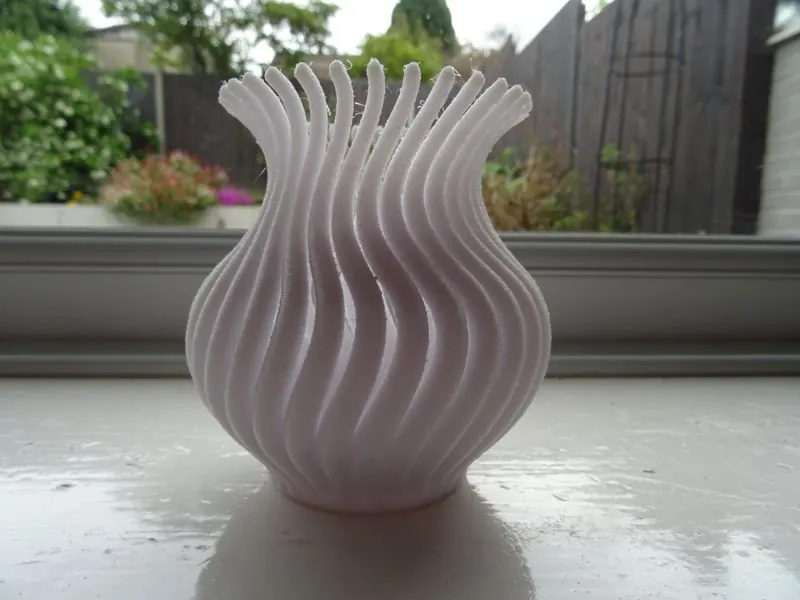
- Geometric and ribbed vases have the clearest demand signal and need very little labour. A generic vase-mode file will not stand out, so the design and a watertight solution have to do the work.
- Wall planters sell higher than desk pots because they change how a wall looks. The whole product depends on a tidy mount and a way to stop water running down the wall.
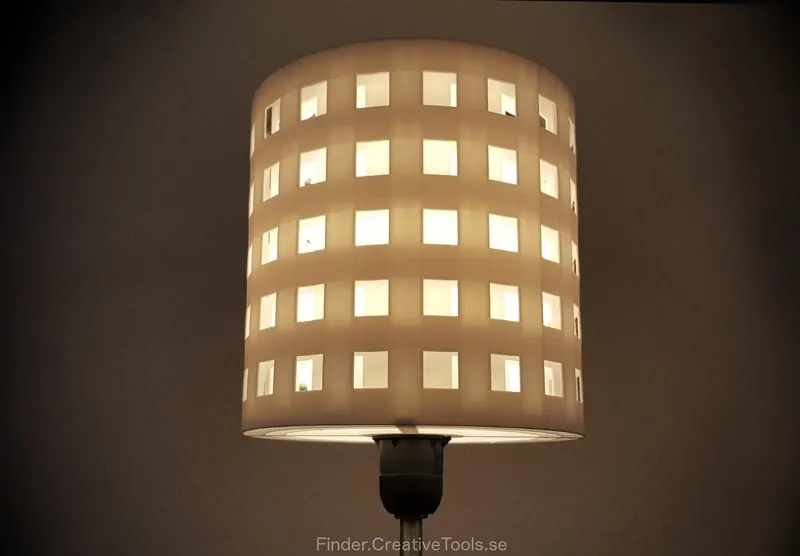
- Pendant lampshades are the high-ticket option, and selling only the shade keeps wiring out of your hands. Expect long prints and bulky parcels.
- Self-watering planters have a real practical benefit but the weakest hourly figure of the five. Add them only if your original shape can sit above the crowded middle of the market.
Three to leave alone
- Wall clocks combine very long prints, assembly and bought parts, and the research found no finished printed clock with a retail price.
- Coaster sets leave little after matching free delivery, and hot mugs can soften PLA. Personalisation is the only angle that might rescue them.
- Plain hexagon floating shelves lose to cheap wood sets, and buyers may expect a strength PLA cannot promise. Only sculptural pieces with a stated light load make sense.
How to make an original version
Etsy's Creativity Standards now say printed items must come from the seller's original design, and TCT notes it is unconfirmed whether a modified design counts. A light remix of a popular vase is not a safe plan.
A better route is to design one surface pattern and carry it across a family: a vase, a tray and a shade in the same three colours. A set is harder to copy, photographs well and gives buyers a reason to add a second item. Simple forms are hard to claim, but copying a recognisable designer vase can still draw a complaint.
Design for the machine as well. One farm reported that redesigning a part halved print time and removed post-processing, which matters a lot on a ten-hour vase. Print farm operators also warn that successful products can be undercut within days, so a recognisable style is worth more than any single file.
Heat, flame, water and post
- Lamps. Sell shades with LED-only guidance, since heat deformation is a named failure. A whole table lamp adds electrical safety and labelling duties, so check those before selling anything with wiring or a battery. A certified bought light unit is the cleaner route.
- Flame. A maker's burn test found PLA ignited fastest of the plastics tested. It was not a lab test, but it is reason enough to keep open flames off plastic. Candle holders and menorahs need a metal or glass insert or an LED-only listing, and backflow incense burners need a ceramic or metal spacer.
- Water. Do not call a vase watertight unless a liner or sealing method backs it up.
- EU sales. The General Product Safety Regulation covers online sales of consumer products. EU design rights also now reach digital files that embody a protected design.
- Shipping. One guide says brittle PLA needs a cushioned box and a shake test, and that box size usually drives cost more than weight. Decor is mostly air, so price the box before you price the print.
Nothing here predicts your sales. Test one original piece and check the margin on real orders before filling a shelf with stock.
Estimates are ours unless a source is linked. This guide was drafted with AI and reviewed before publishing.
Compare prices, profit and competition across every product we score.
See product scores