Most 3D printing news is about machines. This roundup picks out what could change how a small seller earns. Each item has a source link and one practical takeaway.
Two warnings before you read. Much of this comes from companies describing themselves, and those claims are marked as claims. The 3Druck.com items are marked unconfirmed, because only search snippets were seen and not the full articles. Coverage dates run from 2025 to late 2026, so check anything that matters before acting on it. None of this is a promise of income.
Sell a brand, not a file
Themed drops on your own site
CNBC reviewed documents showing Victoria Essie Studio made about $94,000 net on about $428,000 gross in 2025. Its fidgets sell mostly at $5 to $30, from around 30 printers, and it pays for licences on outside designs.
Takeaway: your own website plus scheduled themed releases can work without a marketplace. Fidget sliders at $7 to $32 are one possible start, at $6.03 per print hour with medium competition.
Finished home products
3DPrint.com's profile of Wooj describes a New York lamp brand selling mostly at $100 to $265, reportedly about 15,000 lamps a year on simple machines.
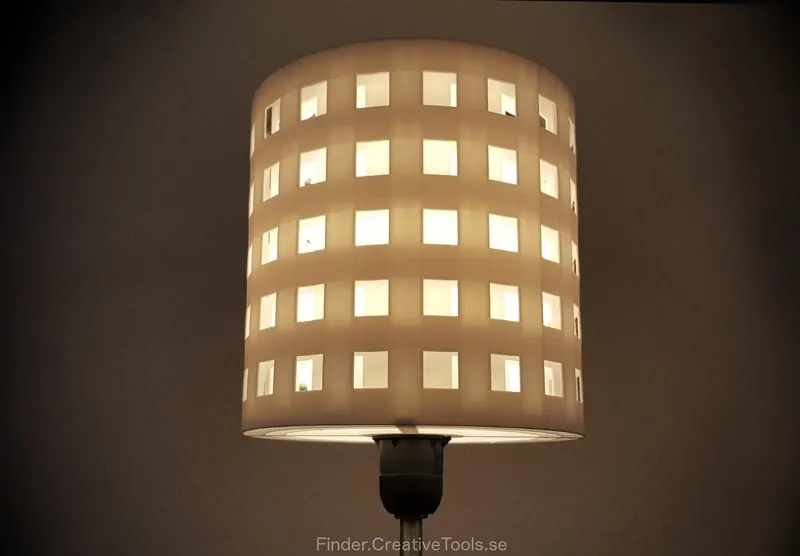
Takeaway: sell a finished object with a story, and buy in parts such as lighting units. For comparison, plain pendant lampshades run $20 to $70 at $1.90 per print hour, so the brand does the heavy lifting.
A catalogue that retailers can carry
ZB Designs started with one printer in college, and its Wigglitz line won Collectible Toy of the Year in February 2026. Its claim of over 3,000 printers is not verified.
Takeaway: a family of your own designs under one name is something a distributor can stock. A single viral item is not.
New ways to reach buyers
Wholesale to gift shops
A vendor-friendly 3DPrint.com profile says Fantasy Pets moved from Etsy to wholesale gift stores, and caps sales to hold delivery times.
Takeaway: pitch local gift shops, and limit orders rather than miss a promised date.
Crowdfunding on MakerWorld
Bambu Lab announced invitation-only campaigns of 30, 45 or 60 days, with tiers such as early files, kits or custom prints. It gave no fees or results. MakerWorld also says a customisable pet project raised over $150,000 against a $1,000 goal, but that is the platform's own undated claim, seen only as a snippet, so it is unconfirmed.
Takeaway: read the current terms first, and offer only rewards you can actually deliver.
A free audience, with no payout data
Bambu Lab reports about 10 million monthly MakerWorld users and 280,000 designers. These are company figures with no creator income data.
Takeaway: use it for reach, but do not plan income around it.
Outsourced fulfilment
UK firm Makr3D opened a beta that prints, checks, packs and ships under a client's brand. VoxelMatters notes its capacity claims are unverified.
Takeaway: a product can be tested before you buy printers. Get file privacy terms in writing.
From 3Druck.com: unconfirmed
These five reports were seen as search snippets only. Read the originals before relying on them.
- Where demand comes from. CONTEXT's Q1 2026 figures reportedly show entry-level revenue up 54%, driven increasingly by farms, while the $2,500 to $20,000 class fell. Takeaway: compare low-cost machines first, and buy mid-range only for a clear need.
- Who supplies it. Q2 figures reportedly show Bambu Lab, Creality, Elegoo and Anycubic taking 87% of entry-level shipments. Takeaway: stick to one or two well-supported brands, so spares stay simple.
- What farms need. A trade press panel reportedly said farms only become stable if enough real applications are found. Takeaway: find a repeat application before adding capacity.
- What farms cost in time. An operator who grew to around 40 devices reportedly found that changeovers, monitoring and finishing take considerable time. Takeaway: price in that labour.
- Etsy photos. One report says the first listing image must show the real object. Takeaway: use real photos anyway, and check Etsy's current wording.
Cheaper colour, shifting costs
Multicolour under $500
VoxelMatters reports multicolour systems starting well below $1,000, including the Elegoo Centauri Carbon 2 Combo at $449. Reliability and filament waste vary by brand.
Takeaway: templates like teacher desk nameplates at $10 to $27.99 suit multicolour, but measure purge waste and failures on one machine before pricing.
Filament is volatile
Yanko Design reported PLA going from about $18 to $28 per kg in early 2026, with no data source for its 59% headline. Creality's claim of recycling at about $5 a roll was not tested.
Takeaway: track your own cost monthly, and treat recycling savings as an untested vendor claim.
Filament is not the real threat
A Chinese operator told 3DPrint.com that large orders go below RMB 0.10 per gram, and that winners get copied within days. Those are his estimates. VoxelMatters also reports a workshop said to run about 5,000 printers on holiday decorations, with disputed details.
Takeaway: avoid generic novelties. Compete on design, service and personalisation, such as family Christmas ornament sets in season.
Rules that shape the opportunity
- Licensed characters. Sixth Tone reported Pop Mart's suit against Bambu Lab over Labubu templates. The outcome is not confirmed here. Takeaway: skip trending characters, even on big platforms.
- EU toys. The European Commission says new toy rules apply from 1 August 2030, with digital product passports. Takeaway: start keeping material and safety records now if you sell toys there.
- Printer laws. California's AB 2047 changes nothing today, as a standard and regulations must come first. Takeaway: keep printing, but watch this before any large California printer purchase.
The pattern
Printers keep getting cheaper, which helps everyone and protects no one. The gains in these stories come from the parts that are hard to copy: a brand, a finished product, a repeat buyer. Compare your own options with the product database and the profit calculator.
Estimates are ours unless a source is linked. This guide was drafted with AI and reviewed before publishing.
Compare prices, profit and competition across every product we score.
See product scores